Solution

Process automation

Connect imports, transformations, Cloud services, APIs and webhooks to reduce manual work.

Overview

Connect imports, transformations, Cloud services, APIs and webhooks to reduce manual work.

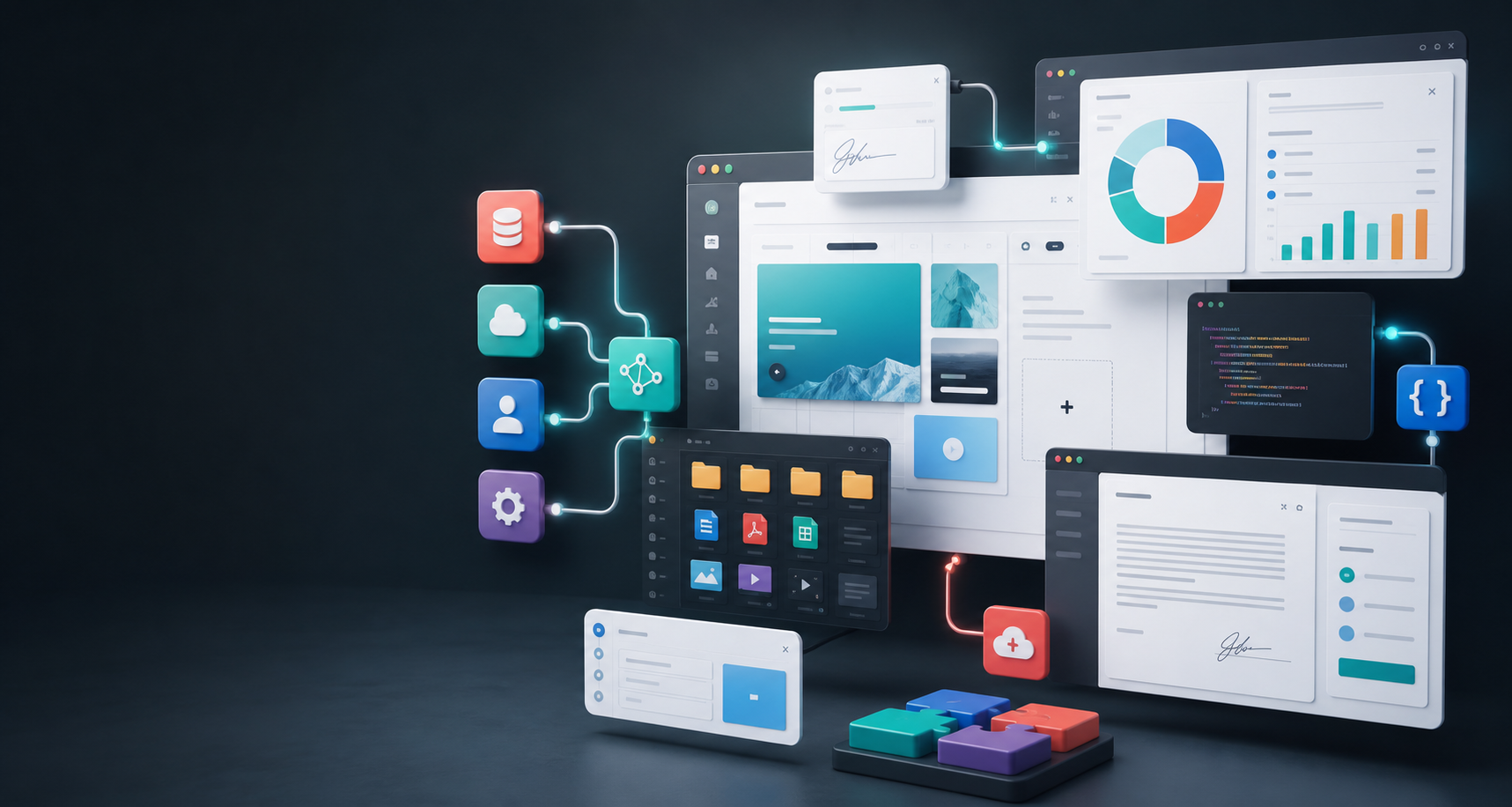
Apification interface used in Process automation
Who it is for

A solution designed for a specific operating context

Technical and operations teams connecting systems, processing files and requiring observable executions.

What changes when the process is connected

  • Repeated manual work when receiving, transforming and delivering files.
  • Duplicates and uncertain state when an integration retries operations.
  • Webhook failures without history, signatures or recovery.
Solution architecture

Connected inputs, capabilities and outcomes

Inputs

API requests, imported files, Cloud events, transformation settings and external callbacks.
Outcomes

Created resources, processed jobs, transformed results, signed webhooks, metrics and traceable errors.

Capability map

FeaturesApification serviceExpected outcome
Authenticated REST APICreate, inspect and manage Cloud resources and account configuration from external systems. Import from other clouds Connect Google Drive, OneDrive or Dropbox and copy selected files into Apification Cloud.
Idempotent operationsUse idempotency keys to prevent accidental duplicate resources when clients retry requests. File transformation Convert, split, merge, optimize and process documents, images, video, audio and data through a guided wizard.
Signed event webhooksReceive relevant platform events with HMAC signatures that allow the destination to verify authenticity. API and embedded integration Integrate Cloud and its services through REST API, OpenAPI, webhooks, iframe and JavaScript.
Delivery history and retriesInspect webhook requests and responses and repeat failed deliveries automatically or manually. Automation and webhooks Connect Cloud actions through APIs and signed webhooks with retries, history and statistics.
Additional capabilities

Features that complete the solution

05

Asynchronous file jobs

Import and transform large resources in the background while preserving progress and detailed failures.

06

External cloud intake

Use provider connections as the controlled entry point for automated document and media workflows.

07

Usage and execution statistics

Measure API calls, webhook activity, public usage and other billable or limited operations.

08

Composable service flows

Chain storage, conversion, publication and notification capabilities without moving content between tools.

Complete scenarios

How it works in a practical case

Complete a process with fewer tools.

Starting situation
Repeated manual work when receiving, transforming and delivering files.
Configuration and process
Use idempotency keys to prevent accidental duplicate resources when clients retry requests.
Outcome
Created resources, processed jobs, transformed results, signed webhooks, metrics and traceable errors.

Coordinate people, resources and deliverables.

Starting situation
Duplicates and uncertain state when an integration retries operations.
Configuration and process
Receive relevant platform events with HMAC signatures that allow the destination to verify authenticity.
Outcome
Created resources, processed jobs, transformed results, signed webhooks, metrics and traceable errors.

Improve operations using real activity data.

Starting situation
Webhook failures without history, signatures or recovery.
Configuration and process
Inspect webhook requests and responses and repeat failed deliveries automatically or manually.
Outcome
Created resources, processed jobs, transformed results, signed webhooks, metrics and traceable errors.

Requirements and limits

  • External automation requires an API key with suitable permissions and limits.
  • Imports, transformations and heavy renders run as background jobs.
  • Webhooks and external services require a stable, reachable HTTPS endpoint.

Security and privacy

  • Webhook deliveries include HMAC signatures, history and traceable retries.
  • Users, groups, roles and visibility control who can view or change each item.
  • Versions and restoration reduce the risk of losing changes or previous deliverables.

Integrations

  • The API creates and queries resources; webhooks report changes and outcomes.
  • Google Drive, OneDrive and Dropbox can supply source files.
  • File Transformer normalizes formats between intake, editing and delivery.

Usage and planning

  • API calls and webhook deliveries are counted against configured limits and tariffs.
  • Transformations, renders and other processes may use credits under the effective tariff.
When it fits

Check whether this solution matches your needs

When it fits

  • You need to connect Apification with a backend, CRM or internal process.
  • You work with asynchronous operations and status tracking.
  • You require idempotency, signatures and controlled retries.

When another approach is needed

  • You want a generic visual automation builder for every external application.
  • The receiving system cannot expose secure endpoints or process events.
Frequently asked questions

Questions about Process automation

Manual operations remain available, but cross-system automation requires the API, webhooks, or an external integration platform.

You can query its status or receive a webhook when a transformation, render, import, or other background job changes state.

Yes. Webhook deliveries retain their status and response so transient failures can be retried and audited.