Solution

Software providers

Distribute external tools through the marketplace or integrate Apification capabilities into your product.

Overview

Distribute external tools through the marketplace or integrate Apification capabilities into your product.

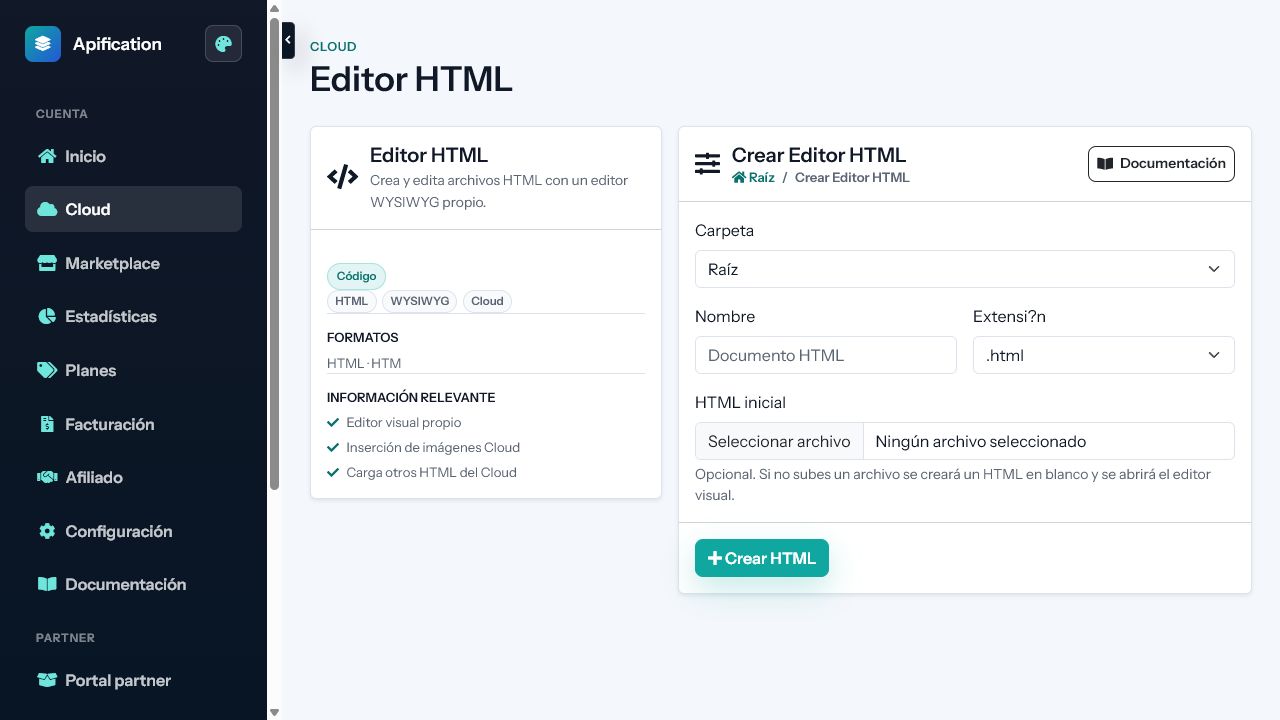
Apification interface used in Software providers
Who it is for

A solution designed for a specific operating context

SaaS providers and developers publishing a tool or embedding Apification capabilities in their product.

What changes when the process is connected

  • Building distribution, installations and access control for an external service.
  • Tracking uses, commission and revenue per execution.
  • Integrations without signing, review or traceable context.
Solution architecture

Connected inputs, capabilities and outcomes

Inputs

Commercial definition, HTTPS endpoint, documentation, icon, usage price and integration credentials.

Outcomes

Reviewed published service, authorized installations, signed executions, metrics and payable revenue.

Capability map

FeaturesApification serviceExpected outcome
Partner service registrationDefine ownership, icon, endpoint, documentation and commercial conditions for an external service. Apification Partners Publish external services, distribute them to users and resellers, and earn revenue from usage.
Review and publication workflowSubmit services for administrative approval before they become installable in the marketplace. Partner marketplace Register, review, publish and install external services with signed access and per-use accounting.
User installationsLet users install an approved service and retain a controlled relationship with the provider. API and embedded integration Integrate Cloud and its services through REST API, OpenAPI, webhooks, iframe and JavaScript.
Signed external executionSend execution context to provider endpoints with HMAC protection and request traceability. Automation and webhooks Connect Cloud actions through APIs and signed webhooks with retries, history and statistics.
Additional capabilities

Features that complete the solution

05

Per-use accounting

Record each execution with gross amount, platform commission and partner net revenue.

06

Revenue verification and payouts

Review earnings, payment profile and settlement status separately from the affiliate system.

07

Apification API integration

Use REST, OpenAPI, webhooks and embedded Cloud when the provider needs platform capabilities.

08

Operational metrics

Monitor services, installations, executions and commercial performance from the partner portal.

Complete scenarios

How it works in a practical case

Complete a process with fewer tools.

Starting situation
Building distribution, installations and access control for an external service.
Configuration and process
Submit services for administrative approval before they become installable in the marketplace.
Outcome
Reviewed published service, authorized installations, signed executions, metrics and payable revenue.

Coordinate people, resources and deliverables.

Starting situation
Tracking uses, commission and revenue per execution.
Configuration and process
Let users install an approved service and retain a controlled relationship with the provider.
Outcome
Reviewed published service, authorized installations, signed executions, metrics and payable revenue.

Improve operations using real activity data.

Starting situation
Integrations without signing, review or traceable context.
Configuration and process
Send execution context to provider endpoints with HMAC protection and request traceability.
Outcome
Reviewed published service, authorized installations, signed executions, metrics and payable revenue.

Requirements and limits

  • Publishing services requires a partner account and a complete commercial profile.
  • Every service must pass administrative review before appearing in the marketplace.
  • Webhooks and external services require a stable, reachable HTTPS endpoint.

Security and privacy

  • Provider executions are signed and logged to protect the context being sent.
  • Users, groups, roles and visibility control who can view or change each item.
  • Webhook deliveries include HMAC signatures, history and traceable retries.

Integrations

  • The marketplace calls the partner endpoint with signed context and a validated installation.
  • The API creates and queries resources; webhooks report changes and outcomes.
  • Cloud can be embedded in another portal through a signed iframe and effective theme.

Usage and planning

  • Every use stores gross value, platform commission and partner net revenue.
  • API calls and webhook deliveries are counted against configured limits and tariffs.
When it fits

Check whether this solution matches your needs

When it fits

  • You operate a stable external service that can run through an API.
  • You want to distribute it in the Apification marketplace.
  • Usage and payout must remain separate from affiliate tracking.

When another approach is needed

  • The service has no secure endpoint or cannot validate HMAC signatures.
  • You only need an affiliate link without technical integration.
Frequently asked questions

Questions about Software providers

Through API keys, OpenAPI documentation, webhooks, and endpoints for creating, processing, and retrieving resources.

Yes. The partner marketplace supports service ownership, review, publication, installation, usage recording, and revenue settlement.

Operations that support it can use idempotency keys, while webhook signatures and delivery records protect downstream processing.